
.svg)
.svg)
*this article first appeared on BreakingTravelNews.com December 2025: full interview here
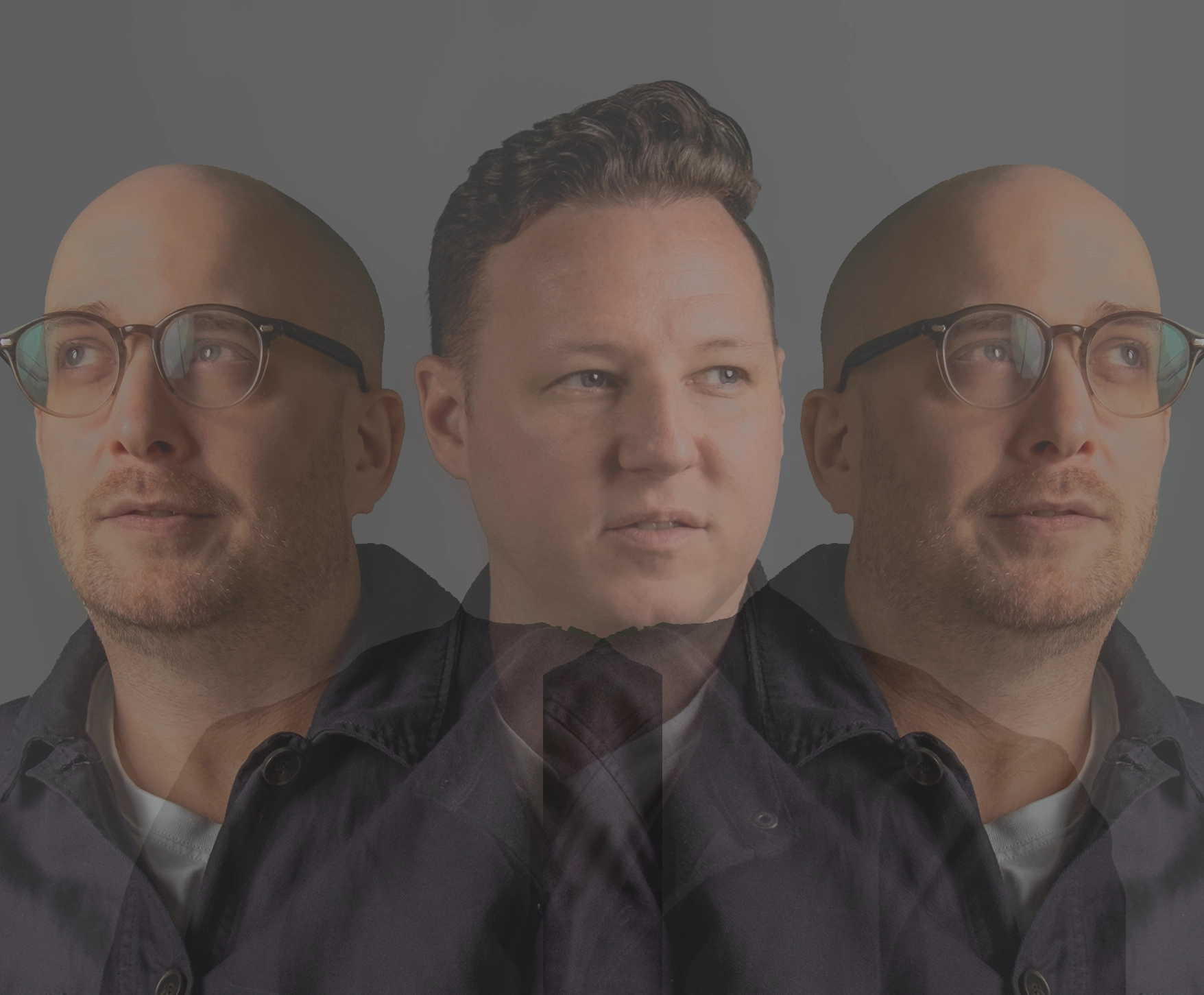
Globally renowned hospitality personalities Bobby Carey and Tom Hogan have launched Studio Ryecroft, a new consulting firm taking brands from concept to culture.
The duo met working together at Proof & Company in Singapore, where Bobby served as Creative Director on the consulting side and Tom most recently as Regional General Manager in the distribution business. Now launching their own venture together, the two drew on their combined decades of global hospitality expertise to create a founder-led consultancy conceptualising destinations where design, service, and storytelling come together in harmony.
A globally recognised hospitality leader with over 25 years of experience, Bobby has created and delivered some of the world’s most celebrated luxury bar and restaurant concepts. With the industry running deep in his family - his grandfather opened the first cocktail bar in his hometown of Waterford, Ireland in the 1960s - Bobby discovered the beauty of creating special experiences at a young age, observing his family in their element hosting friends and loved ones at home. Studio Ryecroft is a nod to this family legacy - the company’s name is the name of Bobby’s grandparent’s house.
“With Studio Ryecroft, we’re really focused on longevity and staying power,” says Bobby. “Our mission is to bring concepts into culture - we’re not just doing a flashy opening and moving on, we want to create something that truly becomes a beacon of a city or country.”
Tom’s career spans 20 years, from acclaimed bartending in Chicago to creating and directing some of the most distinguished hospitality projects across Asia-Pacific. Moving seamlessly from consultancy to distribution, Tom has guided brands through market entry, growth, and activation across the region, blending creative vision with commercial precision. Known for pushing boundaries while delivering results, Tom creates experiences that inspire the industry and resonate with guests worldwide - making a full circle move back into consultancy with Studio Ryecroft.
“Drawing on our expertise in bars, we’re excited to grow beyond that sole focus,” says Tom. “We’re doing a lot of work in the non-alcoholic space, but also diversifying into branded activations, culinary ventures, and also guest-facing experiences.”
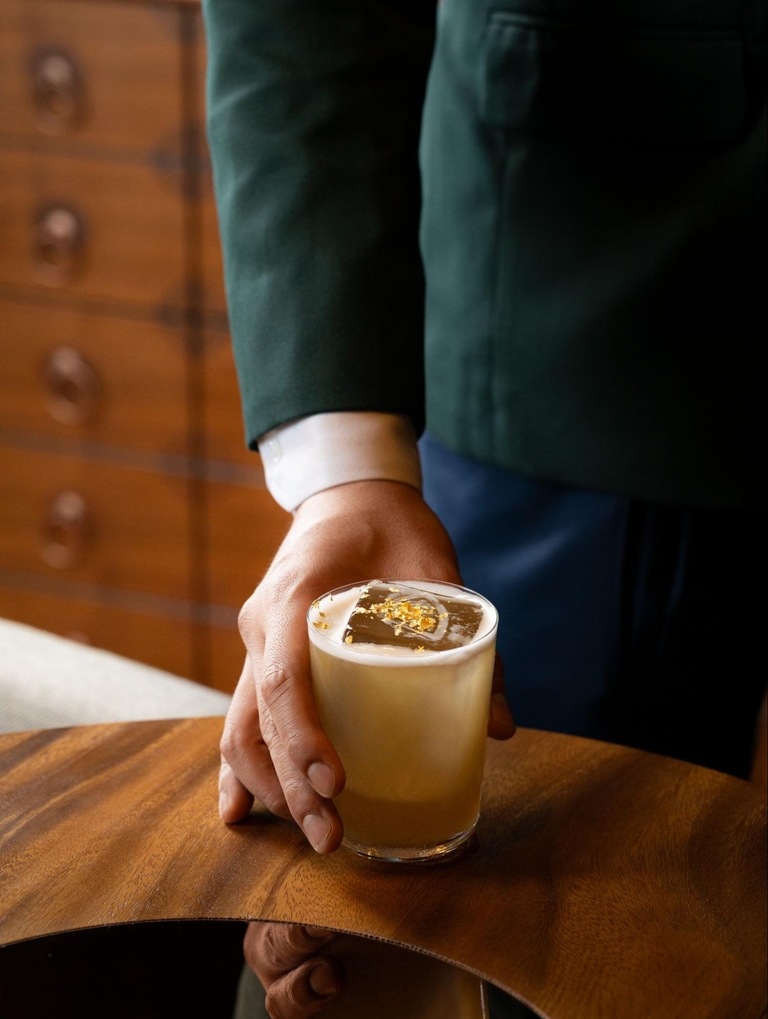
Studio Ryecroft has secured its first major project with the conceptualisation of the forthcoming bar at the House of Tan Yeok Nee, the sole survivor of Singapore’s “Four Grand Mansions” built by Teochew tycoons in the 1800s. Recently opened as a lifestyle hub after a four-year restoration, with the bar under Studio Ryecroft’s creative direction set to open in April 2026.
BTN put the following questions to them:
1. What gap in the market did you see that convinced you it was time to launch Studio Ryecroft?
I kept seeing the same story play out in great hotels and great bars. A venue opens with a big idea and a beautiful room, everyone’s proud, the first few months are strong, and then the standard starts to soften. Not because anyone stopped caring, but because the work that protects consistency is repetitive, invisible, and rarely owned properly.
There are plenty of people who can create a concept. Fewer who can turn that concept into habits that survive staff turnover, changing seasons, and the reality of a slammed Saturday night followed by a sleepy Tuesday. That’s the gap. The bridge between “we launched something cool” and “this place still feels sharp in year three”.
So, Studio Ryecroft is built around one simple belief. If the guest can feel it, it must be designed. Not just the drinks and the interior, but the welcome, the tempo, the lighting, the music, the prep, the way the room holds energy, and the way leaders coach standards without turning the team into robots. We care about the moments guests remember, and we care about the systems that make those moments repeatable.
2. You talk about taking concepts into culture. What does that look like in practice for a hotel or a bar project?
Concept to culture means we bring bars into the city. We take concepts into culture so venues belong to people. That’s not a tagline for a deck. It’s a real test. Locals choose you without a special occasion. Travellers walk in and feel like they’ve got a seat at the table, not like they’re being assessed. The bar becomes part of the daily vernacular of the hotel and the neighbourhood. It feels like a living room, not a showroom.
If you want two places that do this perfectly, look at Virtu in Tokyo and Continental Deli in Sydney. The common thread is the greeting. You walk in and you’re welcomed like you were there yesterday, even if it’s been twelve months. That single moment sets the tone for everything that follows. It gives the team permission to be human, and it gives the guest permission to relax.
In practice, concept to culture is translating the idea into behaviour. How quickly people are seen. How you treat the solo guest at the end of the bar. How the first round lands. How the team explains the concept in their own voice, not in a line written by internal marketing. Culture is the repetition of small choices done well, every shift.
3. Which of the trends you are observing feels the most underestimated by hotel brands right now?
Consistency is becoming the new luxury. A lot of brands still obsess over the opening moment. The render, the launch party, the press list. Guests are moving the other way. They’re judging you on whether the experience holds on an ordinary night. They feel friction instantly. Slow first contact. Confused pacing. Drinks arriving one by one. Staff who are polite but not confident.
And there’s another piece that doesn’t get said enough. Too many hotel bars still feel stiff. Like the team have parameters they can’t stretch because they’re afraid of ruining the prestige. But that’s often where the magic is. Magic is a bartender who can be themselves, read the room, and host properly. Magic is a team who can explain what the venue is, simply, in their own words, without clinging to a script.
The underestimated part is that standards are designable. Service behaviour isn’t “soft stuff”. It’s an operating system. The hotels that treat leadership behaviours, coaching cadence, and repeatable delivery as their competitive advantage will win quietly in 2026.
4. Stopovers are becoming micro destinations. What are the design and service elements that turn an airport venue into a place worth visiting in its own right?
An airport venue has one job: take you out of the airport while you’re still in the airport.
People are overstimulated, time-poor, and often stressed. The best airport venues create an immediate exhale without slowing down the guest. You should feel the shift in your shoulders the moment you step into the room. That comes from a mix of design discipline and service discipline.
Design-wise, it starts with clarity and comfort. You should understand the space in seconds. Where to go, how it works, whether you can do quick or linger. Acoustics matter more than people admit. Lighting matters because everyone’s tired and nobody wants to look washed out. Seating needs to suit different missions, solo travellers, couples, families, small groups.
Charging and bag space should be effortless. You’re building a refuge, not another queue.
Service-wise, speed has to come from prep and system, not from rushing people. The menu should be built for quick delivery without feeling like compromise. The team should be trained to read urgency and still make the guest feel human. The goal is calm efficiency, not cold efficiency.
5. Hotel bars are being reimagined as cultural stages. What is driving this shift and which cities are leading the way?
Hotel bars can’t survive as “a nice place for hotel guests” anymore. The best ones earn locals, and when locals show up, the bar becomes the hotel’s public voice. It becomes where the city and the hotel actually meet.
What’s driving the shift is that people are going out for culture, not just consumption. They want a room with energy. They want music that feels curated. They want a sense of belonging. They want the feeling that something is happening, even if it’s subtle. A cultural stage doesn’t need a spotlight and a schedule. It needs a point of view that the room can feel.
Cities leading this are the ones where hotel bars behave like real venues. They compete on standards, atmosphere, and identity, not on prestige. Asia does this extremely well. There’s a natural generosity in the way many Asian hotel bars host, and that hosting is what turns a hotel space into a place the city claims.
On a quiet Tuesday, that can be as simple as a DJ who knows when to pull back, a bartender who’s allowed to talk like a human, and a room lit well enough that people want to stay for another round
6. The padel weekend trend is rising fast across Asia. How do you see sport driven travel shaping hospitality design and programming more broadly?
Padel is not just sport, it’s a social format. It creates groups, routines, friendly competition, and an instant reason to travel. In places like Bangkok and Bali, you’re seeing people build a whole weekend around it. Play, recover, eat, drink, repeat. That pushes hotels to get better at the full rhythm of the day, not just the 8pm dinner moment. Morning hospitality becomes more important. Not performative wellness, but practical recovery. Coffee done properly. Breakfast that feels intentional. Hydration built into the experience without making it feel clinical.
You also need spaces that support groups. Booking mechanics that work for fours and eights. Long tables that make post-match lunches feel like a ritual. And then the crossover moment: the shift from sport to social. If I’m stealing one thing from nightlife, it’s this. Don’t just run a bar, build a social club. Somewhere people come for the activity, then stay because the atmosphere is right, the music is right, and the space makes it easy to sit down, laugh, tell stories, and make a night of it.
7. When you approach a new project, what comes first, the story, the service model or the physical space?
The constraint comes first. Always. If the space is built, it tells you what’s possible: flow, storage, prep capacity, sightlines, noise, how staff move when it’s full. If it’s a new build, you start with the guest promise and the service model early, because layout mistakes are expensive and they haunt you for years. You can’t train your way out of a bad bar pass or a broken circulation path.
Story matters, but it can’t lead if it ignores operational truth. I’d rather deliver a simpler idea brilliantly than a clever one that collapses the moment the room fills. The story should sit on top of a service model that works, not the other way around.
to read the indepth interview visit:

%20%E2%80%94%20V1.jpeg)