
.svg)
.svg)
*this article first appeared on UrbanList.com January 2026: full article here
If you thought Asia’s bar scene had already peaked, 2026 is shaping up to be the year it throws the rulebook out the window, sets it on fire, then serves the ashes in a bespoke glass. Across the region bartenders are pushing harder into hyper-craft, hyper-local and hyper-theatrical drinking. Translation: expect your cocktails to be more personalised, more experimental, and way more fun.
Here’s your first look at the trends bubbling up across Asia now and exactly how they’ll shape your drinking plans for 2026.
Clay Is The New Oak
Studio Ryecroft is opening a cocktail bar at The House of Tan Yeok Nee in April and an entire section of their menu will be dedicated to clay-aged cocktails.
Agave Is Going Niche
Tequila’s still having a moment, but Asia’s bars are moving into deeper, nerdier territory. Think sotol, raicilla, and hard-to-find regional Mexican spirits that even seasoned agave drinkers may not have tried. Singapore’s Cat Bite Club is already miles ahead, with the city’s biggest agave collection and cocktails built on lesser-known varietals. And in Niseko, newly opened Tepache is championing agave culture with one of Japan’s most diverse line-ups. So expect more bars offering agave flights, deep cuts, and cocktails that go way beyond your standard mezcal sour.
It’s Not Just The Drink, It’s The Glass
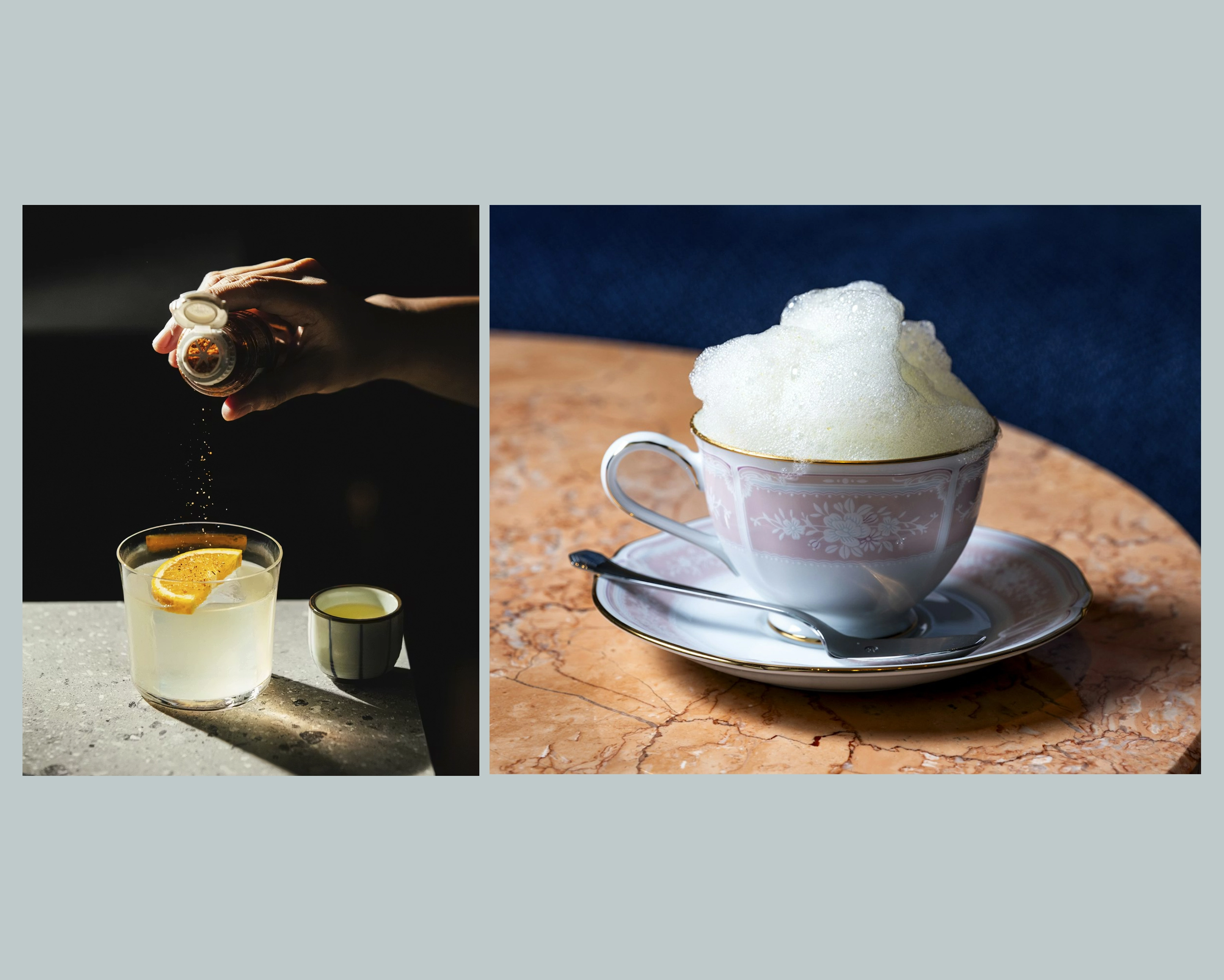
If 2024–25 was about technique, 2026 is all about the vessel. Across Asia, glassware has become part of the storytelling, with bars treating the serve as a statement in itself. Bangkok's BKK Social Club is co-designing luxe pieces with John Jenkins Glassware, while Hangzhou’s Galley By The Guts Bar hunts down one-of-a-kind vintage glasses, sometimes with only a handful ever made. In Singapore, Horatio’s Dragon’s Breath is a cocktail inspired by travels through China and served in a traditional Chinese tea cup rather than conventional barware. The unexpected vessel instantly evokes heritage and ritual, transforming the drink into a visual moment, while the bold red date garnish adds colour, texture and symbolism.
No- And Low-Abv Drinks Have Gone Premium, Not Punishment
At one of the city’s most celebrated cocktail lounges, Manhattan Bar treats alcohol-free drinks with the same reverence as its legendary boozy pours. Using premium zero-proof spirits like Lyre’s, the team builds layered, aromatic mocktails that channel classic cocktails without the ethanol.
Over at Jigger & Pony, the mocktail menu is just as considered as the rest of the lineup. Expect flavour-forward, thoughtfully balanced drinks like Pear & Hops, Apple & Cedar and Merlot & Blood Orange, where fruit, botanicals and aromatics come together in polished, grown-up sips that prove going booze-free doesn’t mean missing out. \
Local Sourcing Goes Next-Level
Singapore has long been punching above its weight: Native continues to champion hyper-local sourcing through collaborations with regional farmers and foragers, spotlighting Southeast Asian botanicals, house-made ferments and indigenous ingredients (from wild ginger and local honeys to ant eggs and bespoke distillations). The Elephant Room brings a different but equally rooted approach, blending craft with nostalgia, drawing on the city’s culinary heritage and tropical flavours to tell distinctly Singaporean stories in the glass.
Further north in Bangkok, Bar Sathorn’s Tomato Brunch pushes the idea in a playful but purposeful direction, placing Thailand-grown tomatoes at the heart of the cocktail. By celebrating peak-season produce and provenance, the drink transforms a familiar local ingredient into something refined and unexpected.
Tea Keeps Winning And 2026 Is The Year It Goes Mainstream
Singapore is already primed for this (tea culture runs deep here), and the creativity is spilling into more experimental territory too. Pop City x Pony’s HØJ1CHA €SPR€$$Ø MART1N1 captures where the trend is heading, using hōjicha as the backbone of a bold, genre-crossing drink served layered with Haku Vodka, Mr Black coffee liqueur, cream, mezcal and Angostura bitters. Inspired by Japanese techno artist ¥ØU$UK€ ¥UK1MAT$U, it fuses tea culture with music and nightlife.
At the other end, a dry martini from Club Rangoon gets a quintessential Burmese twist with the addition of a house-made laphet cordial made from fermented tea leaves, a staple found in virtually every Burmese household. Paired with gin and dry vermouth, the drink stays clean and classic while introducing savoury depth and subtle brininess, proving just how seamlessly tea can elevate even the most timeless of cocktails.

%20%E2%80%94%20V1.jpeg)